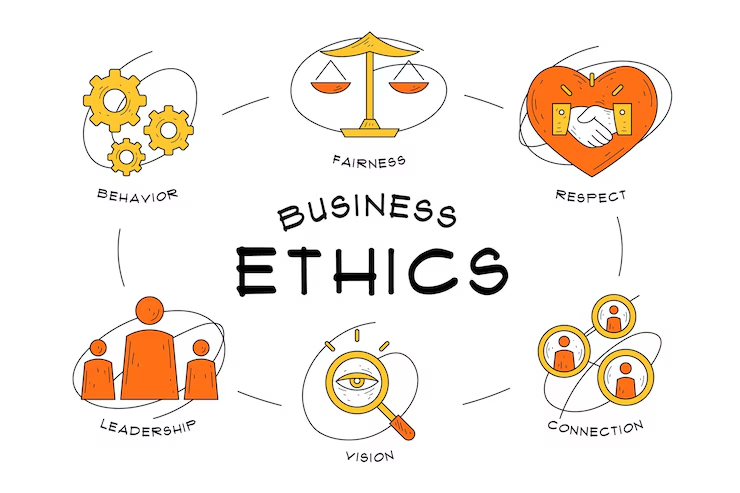
The internet is full of surprises, some useful, some shocking. But not everything online is just “content.” Some websites, like iofbodies.com, are sparking major concerns about ethics, privacy, and respect for human life.People on forums like Nairaland.ca have been talking about this site, asking: Is this right? Should something like this even exist online? Let’s unpack what’s going on and why it matters so much.
What Is iofbodies.com?
iofbodies.com is a website that reportedly shares graphic, sensitive, or disturbing content, possibly involving real people, deceased individuals, or private moments.It’s not just the content that’s causing concern it’s how the content is shown, where it comes from, and whether anyone gave permission to post it.
The Big Ethical Problems
Here’s a breakdown of the biggest ethical issues with this kind of website:
1. No Consent, No Respect
Did the people shown in the images or videos say it was okay to share them? In many cases, it’s doubtful. And if the people have passed away, did their families give permission? If not, it’s a huge violation of privacy and human dignity.
2. Using Trauma for Attention
Some sites claim they’re “raising awareness.” But if that’s true, why does the content often feel more like shock value than education? Real awareness should come with context, care, and respect not just raw, disturbing footage.
3. It Stays Online Forever
Once something’s on the internet, it’s almost impossible to fully remove. Even if a video is deleted, copies or screenshots might still be floating around. That means ongoing pain and harm for families and friends of the people involved.
Who’s Behind It? No One Knows
One major concern with websites like this is the lack of transparency:
- Who runs iofbodies.com?
- Who decides what gets posted?
- Is there any kind of review or moderation?
- What happens if someone wants content taken down?
No one seems to know the answers which makes things even worse.
What People Are Saying Online
On forums like Nairaland.ca, people are debating the site. Some believe in free speech and say real-world content shouldn’t be hidden. Others argue that respect for the dead and their families matters more.
Here are some common concerns people share:
- “What if that’s someone I know?”
- “Is this really educational or just disturbing?”
- “Where do we draw the line between awareness and exploitation?”
These are real and emotional questions, not just internet arguments.
The Law Isn’t Always Clear
Legally, sites like iofbodies.com exist in a grey area. In many countries, there are no strong laws about sharing images of deceased people or graphic scenes. But just because something is legal doesn’t mean it’s ethical.
Some potential legal issues include:
- Violating data protection laws (like GDPR in Europe)
- Causing distress to families or loved ones
- Breaking copyright rules if the content was stolen
What You Can Do About It
If you come across content from sites like iofbodies.com, here’s how to respond in a thoughtful, responsible way:
Don’t Share the Link
Even if you’re trying to warn others, sharing the link can accidentally help it spread more.
Report It
Use reporting tools on browsers or contact the hosting provider if you think something breaks ethical or legal rules.
Talk About It
Start conversations about online ethics. Help others, especially younger people understand why consent and respect matter, even on the internet.
Support Responsible Media
Back journalists, bloggers, and platforms that handle serious topics with care and dignity not those chasing clicks through shock value.
Why Digital Ethics Matter More Than Ever
In today’s world, every photo, every video, and every post matters. We live in an age where things go viral in minutes, and privacy can be lost forever. Websites like iofbodies.com are a wake-up call: we must ask ourselves, are we treating others online with the respect they deserve?The people in those videos and images aren’t just content they were someone’s child, sibling, or friend. Even in death, they deserve dignity.
Final Thoughts: Let’s Build a More Respectful Internet
This isn’t about censorship it’s about conscience.We all have a role in shaping what the internet looks like. If you’re on a forum like Nairaland.ca, speak up. Ask questions. Demand transparency. And always remember: behind every piece of content is a real person, a real story, and real consequences.Let’s create a digital world that chooses empathy over exploitation, and respect over clicks.